
Stone of the Month

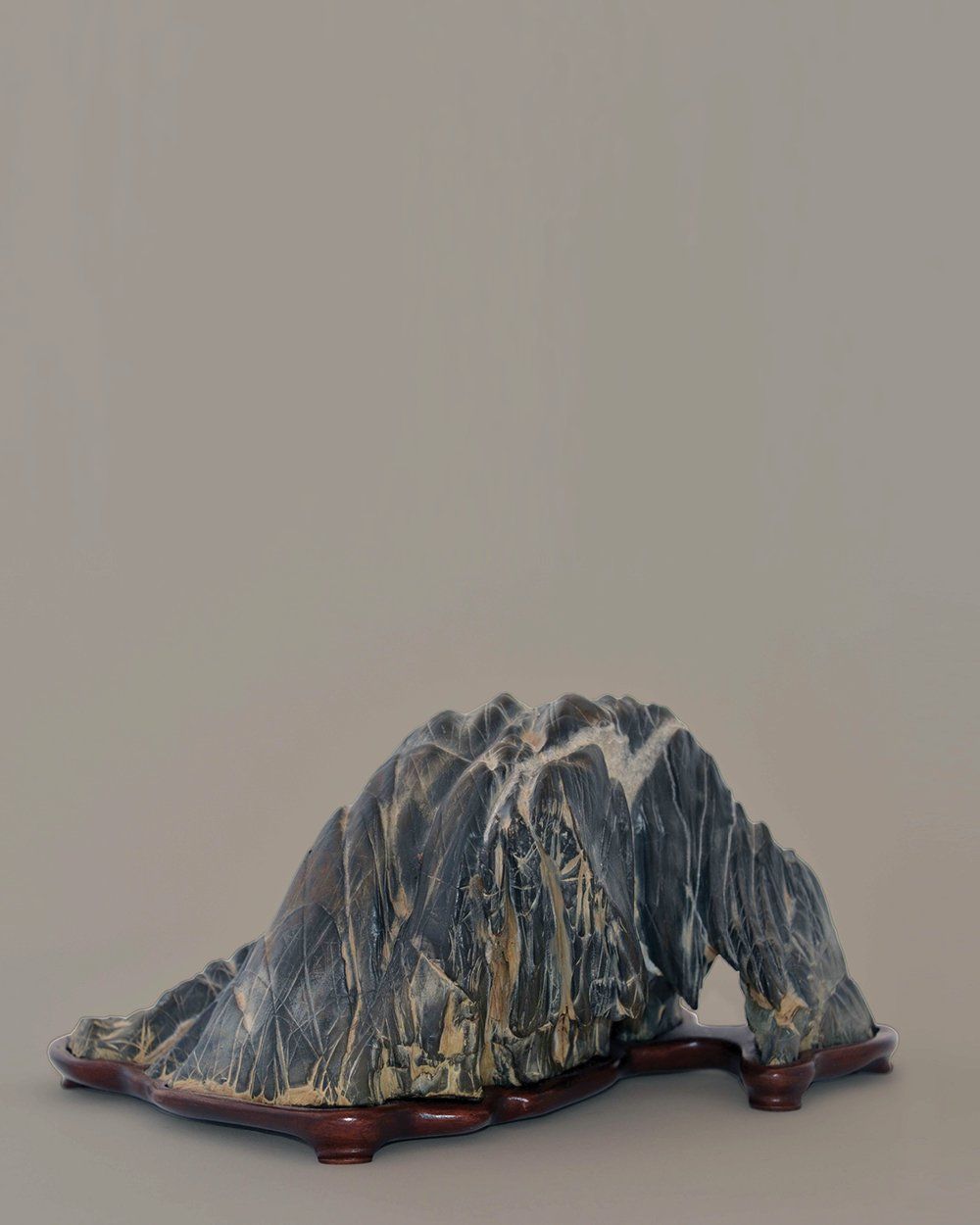
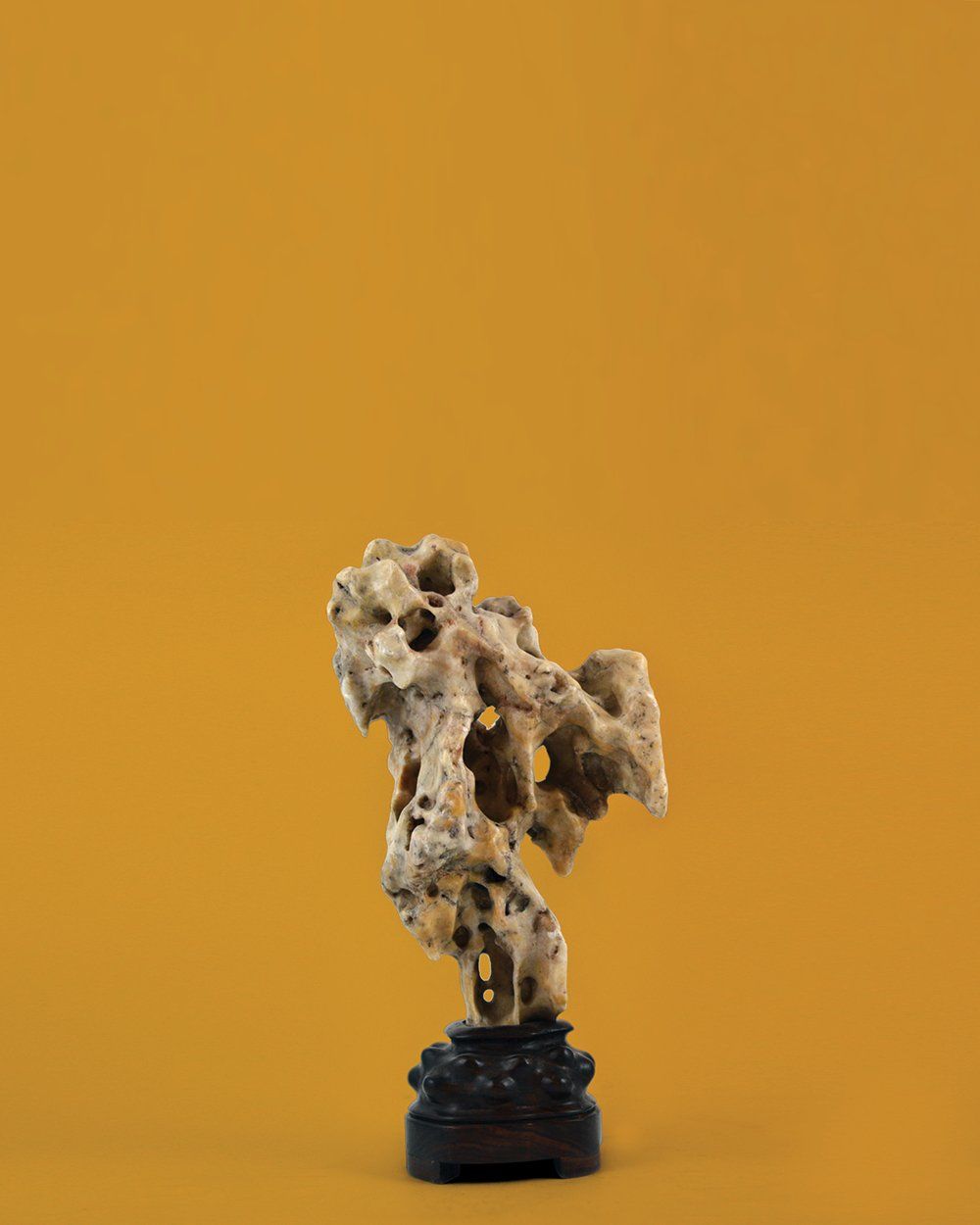
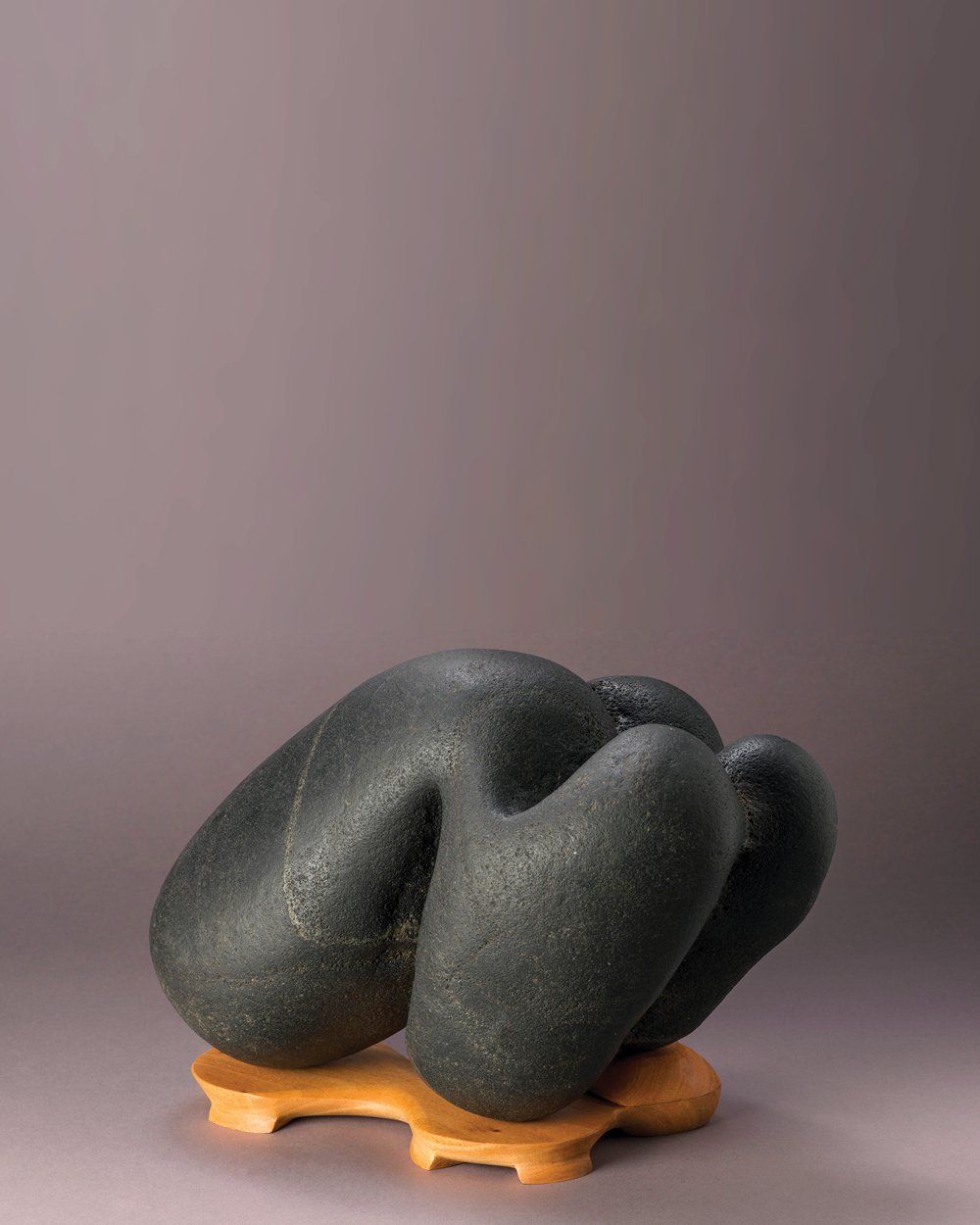
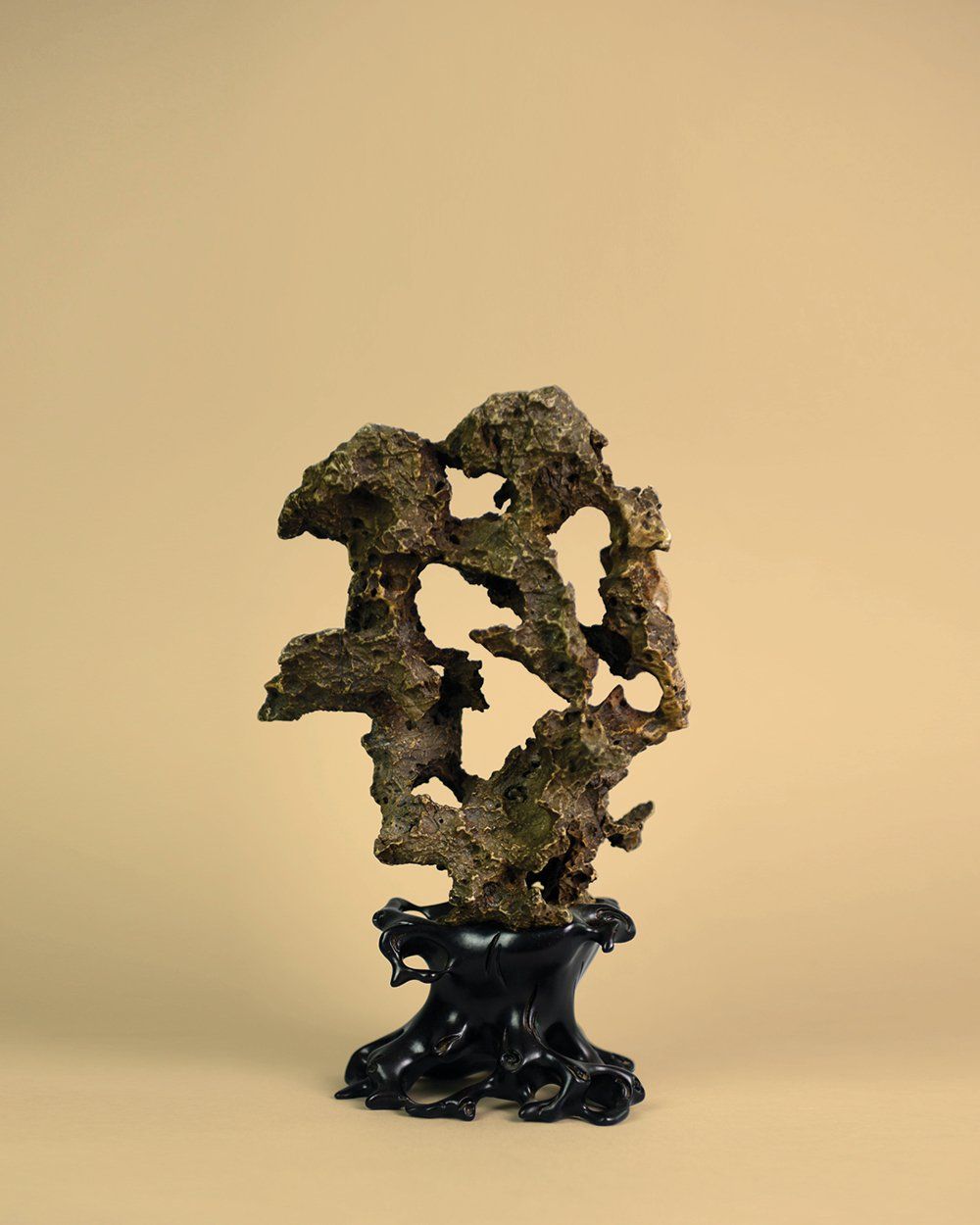
Boshan Wen Stone

by Kemin Hu

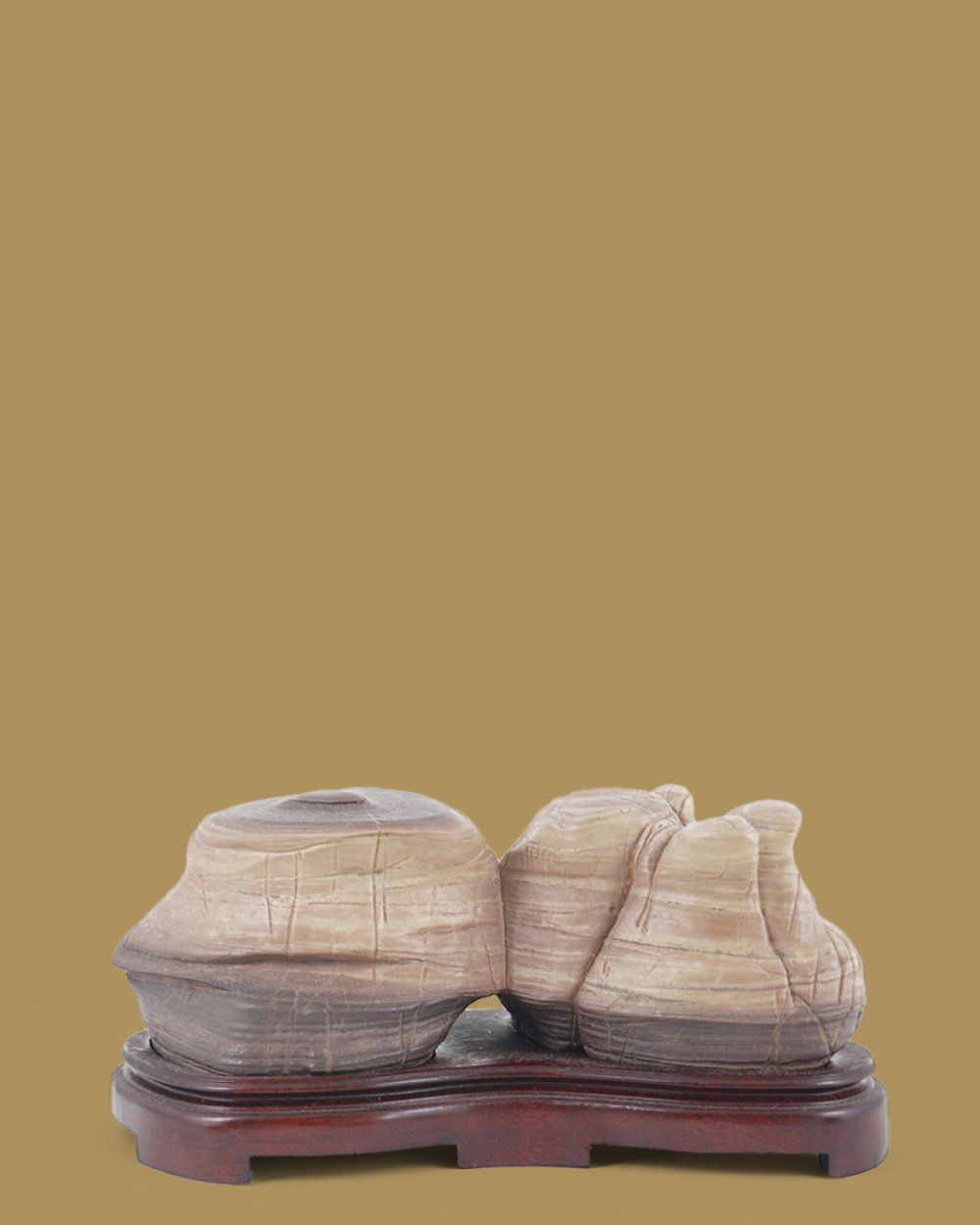
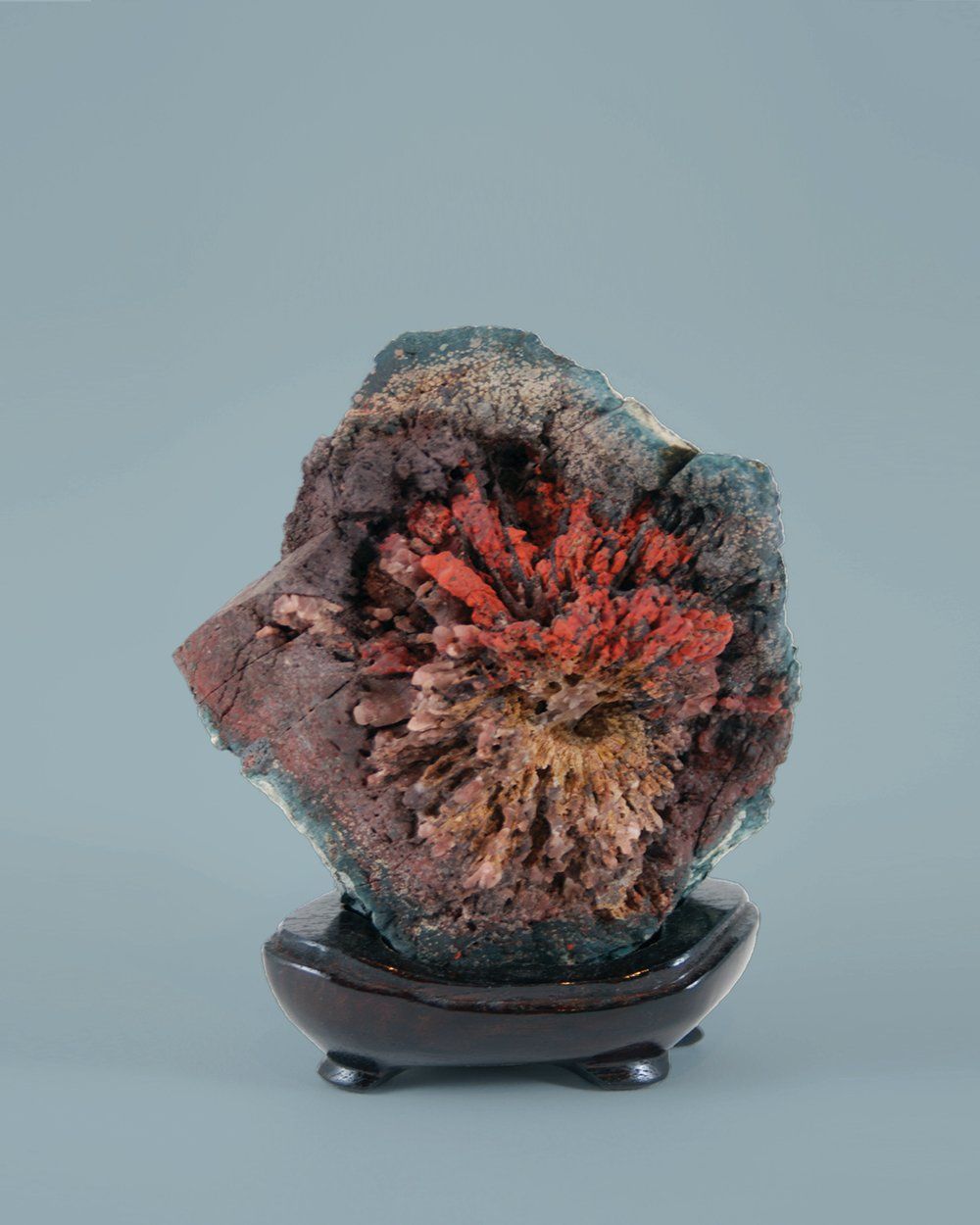
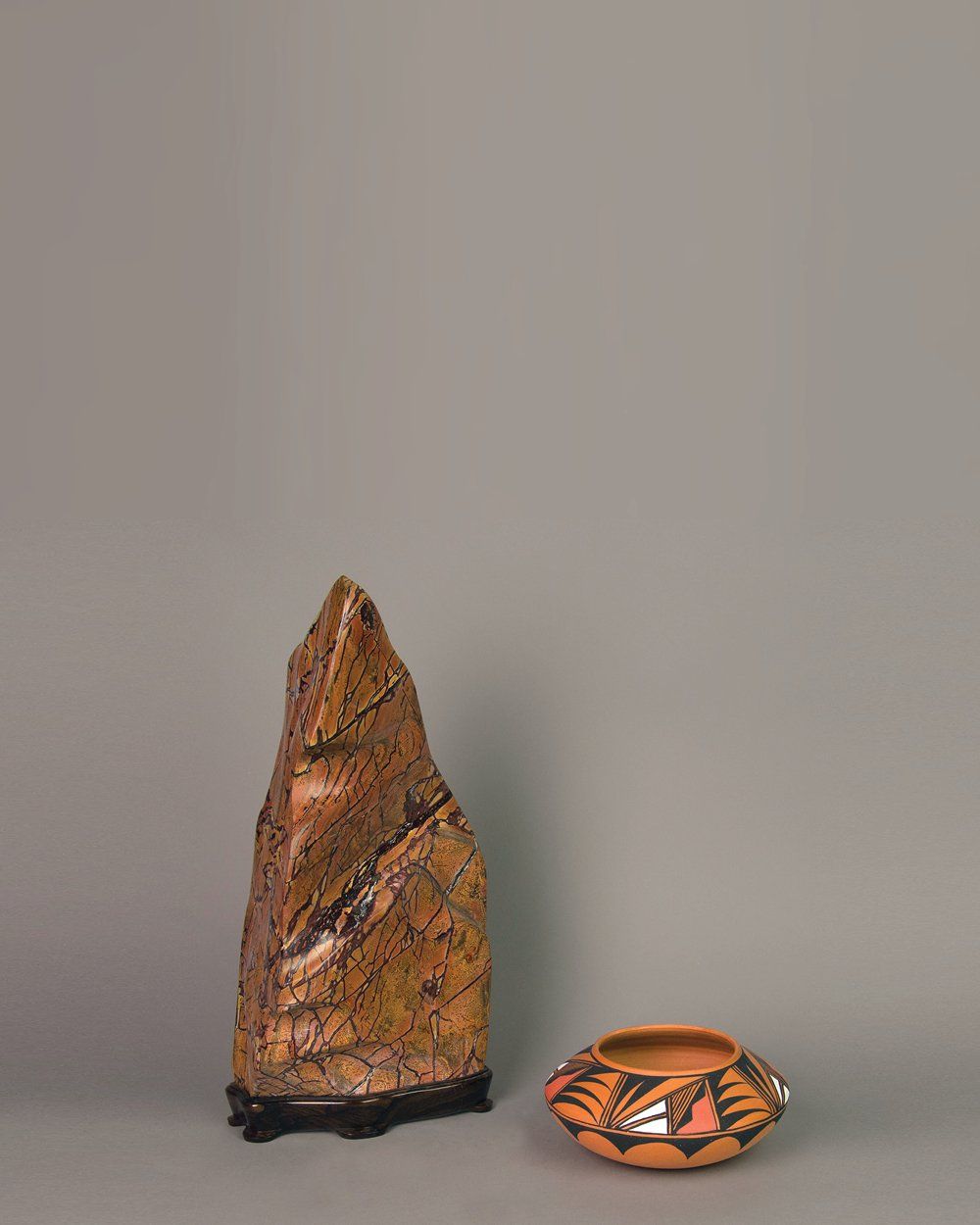
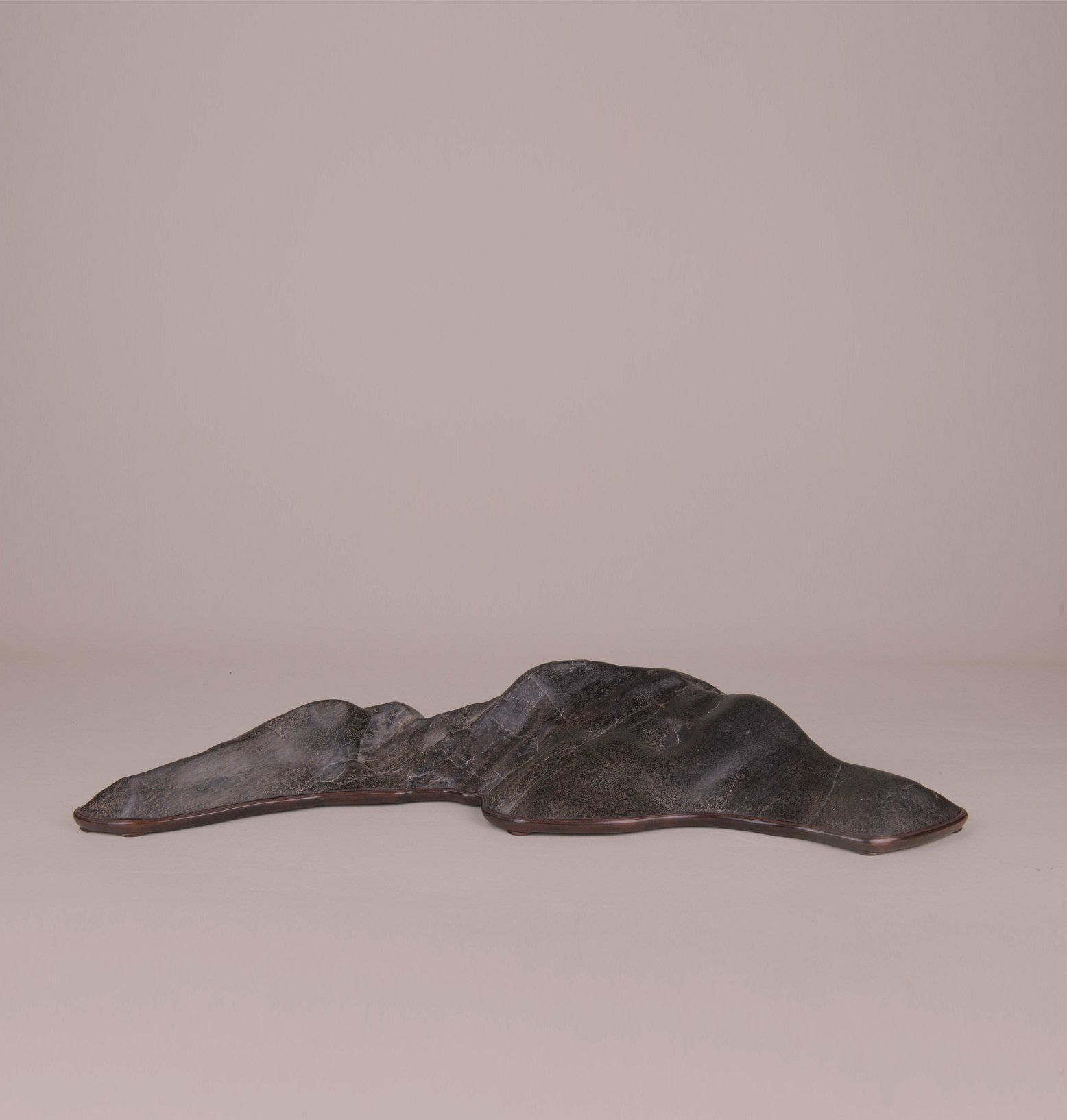
“Mountains All in Sight” is a literal translation of “Yi Lan Zhong Shan Xiao,” a well known line from a poem by Du Fu (712-772) in the Tang Dynasty. The line originally means that if one stands at the top of the highest mountain . the other mountains would turn smaller in his view. It is always used figuratively to refer to someone who aspires high. I have used this line as the name of this stone because the stone looks like a flying bird hovering high above the earth. Most f the ancient stones resemble natural scenic spots in shape, but only a few are pictographic, and even fewer are like this one: dynamic, natural, and vivid. What’s more, this stone boasts dramatic tendency in shape. While most of the stones in the shape of a bird need a wooden base to enhance its dynamic feelings, this one is exceptional, having both wings widely extended, and a long and slim lower body that gives the impression that the bird is soaring into the sky.

Scholars’ Rocks can either exhibit what are often ancient implications or modern feelings, and what are sometimes dynamic moments or static meditation. When most such stones give the viewer a sense of tranquility, a rare few like this one offer a sense of movement and excitement.

This Wen stone is 46 x 42 x 28 cm, and has an abundance of veins on the surface, with crisscross dots and strokes all over. It boasts dramatic changes in shape and is covered with thick natural patina, simple but vigorous. It can be viewed from all sides and produces resonant upon striking.

This stone has a base carved out of another stone and the traces of carving are almost invisible until one looks at its bottom.

Feature Article

Feature Article

Feature Article

Book Review

Book Review

Book Review

News

News

News

Taihu  (太湖石)

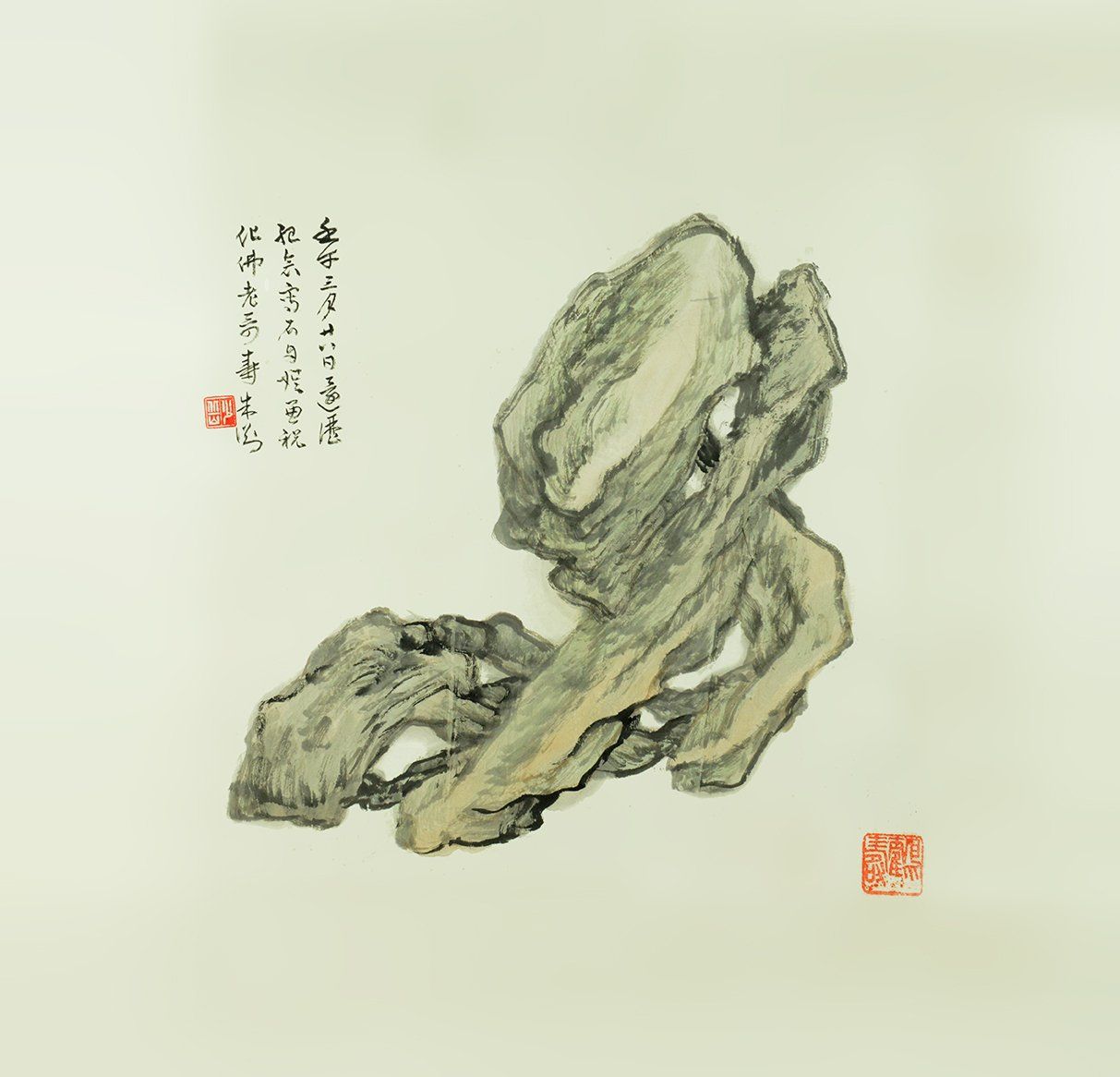
Taihu (Tai Lake) stones, long admired since the Tang dynasty, are one of the most widely known and easily recognized of all stones, both in China and in western countries. Their primary use were as garden stones, often large signature pieces occupying key locations in classical gardens. Taihu became a major stone used in traditional gardens in the Tang dynasty and in other classical gardens built in later dynasties. The larger garden stones became the object of many artists, poets, and writers. In fact, they may well have been the subject of more works of arts and writings than any other stone. The Lingbi and Ying stones were also admired by writers and artists.


To read the entire article, click here


Featured Book Review

Today’s featured book is a series of volumes on famous stones of Liuzhou.


The city government of Liuzhou, a city in northern Guangxi province in southern China, made a serious, long-term commitment and investment over a decade ago to turn Liuzhou into the stone capital of China. The city stages a major international stone exhibition every two years, and some of the organizers have produced several outstanding books on stone appreciation. This includes Collection of Grand Classics of Famous Stones of Liuzhou, a series that started in 2002 with the first volume. At the time it was published it marked a new high in quality book production on stones. The second volume appeared in 2008, and volume three was published in 2010. 


To read the entire article, click here

March 30 to April 8, 2012

The Fourth Culture Festival of Jewelry, Stone and Tourism was held in Jinan City, Shangdong province China. The festival was organized and co-hosted by the View Stone Association of China (VSAC) and the Jinan Qilu Qixian culture town.


Click here for more News